
Women's Sports Nutrition Guide
Empowering female athletes with science-backed nutrition strategies to enhance performance, build strength, and achieve your athletic goals.
The information on this site is for educational purposes only and does not constitute medical advice. Always consult a qualified healthcare professional before making health decisions.
Essential Topics for Female Athletes
Macronutrient Balance
Discover how to balance proteins, carbohydrates, and fats to fuel your training and support muscle recovery. Learn optimal ratios tailored to female athletes' unique metabolic needs and training phases.
Hydration Strategies
Explore evidence-based hydration practices that optimize endurance and cognitive function. Understand how proper fluid intake enhances performance and supports thermoregulation during intense workouts.
Menstrual Cycle Nutrition
Learn how to adjust nutrition throughout your menstrual cycle to optimize energy, strength, and overall athletic performance. Explore cycle-synced eating strategies designed for female athletes.
Why Nutrition Matters for Female Athletes
Proper nutrition is the foundation of athletic excellence. Female athletes have unique physiological needs that differ from male counterparts, including specific requirements for iron, calcium, and energy availability.
At Strengthheartflow, we believe that understanding your body's nutritional demands is key to unlocking peak performance. Our guides address the science of sports nutrition tailored specifically for women, from muscle recovery to hormonal optimization.
- Enhanced endurance and stamina through strategic carbohydrate timing
- Faster muscle recovery with optimized protein intake
- Improved bone health through mineral-rich nutrition
- Better mental clarity and focus during competition

Meal Prep Inspiration
Explore practical, nutrient-dense meal ideas designed to support your training schedule and athletic goals. These examples showcase balanced nutrition that fuels performance.
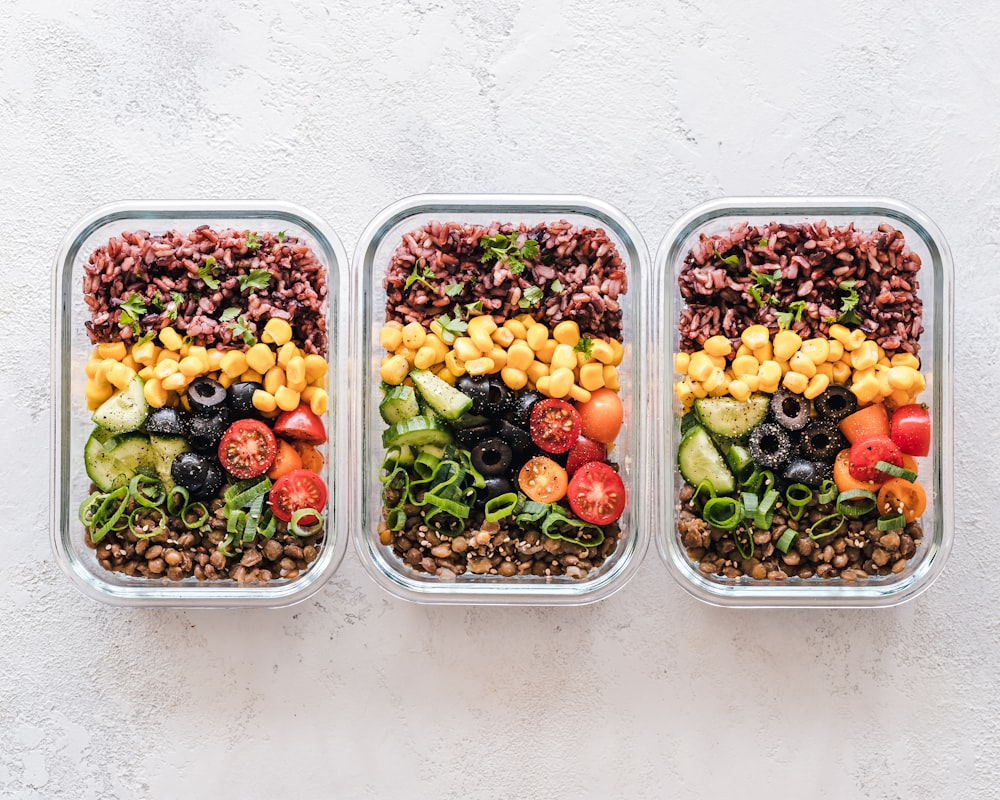
Pre-Training Breakfast
Complex carbohydrates with lean protein for sustained energy during morning workouts.
Oats, Greek yogurt, berries, almonds

Post-Workout Recovery Smoothie
Fast-absorbing carbs and protein to replenish glycogen stores and support muscle repair.
Banana, protein powder, berries, coconut milk

Balanced Lunch Bowl
Complete meal with lean protein, whole grains, and colorful vegetables for midday fuel.
Grilled chicken, quinoa, roasted vegetables, tahini dressing

Portable Energy Snack
Quick-access nutrition for pre-competition fueling or between-training sessions.
Dates, nuts, dark chocolate, coconut
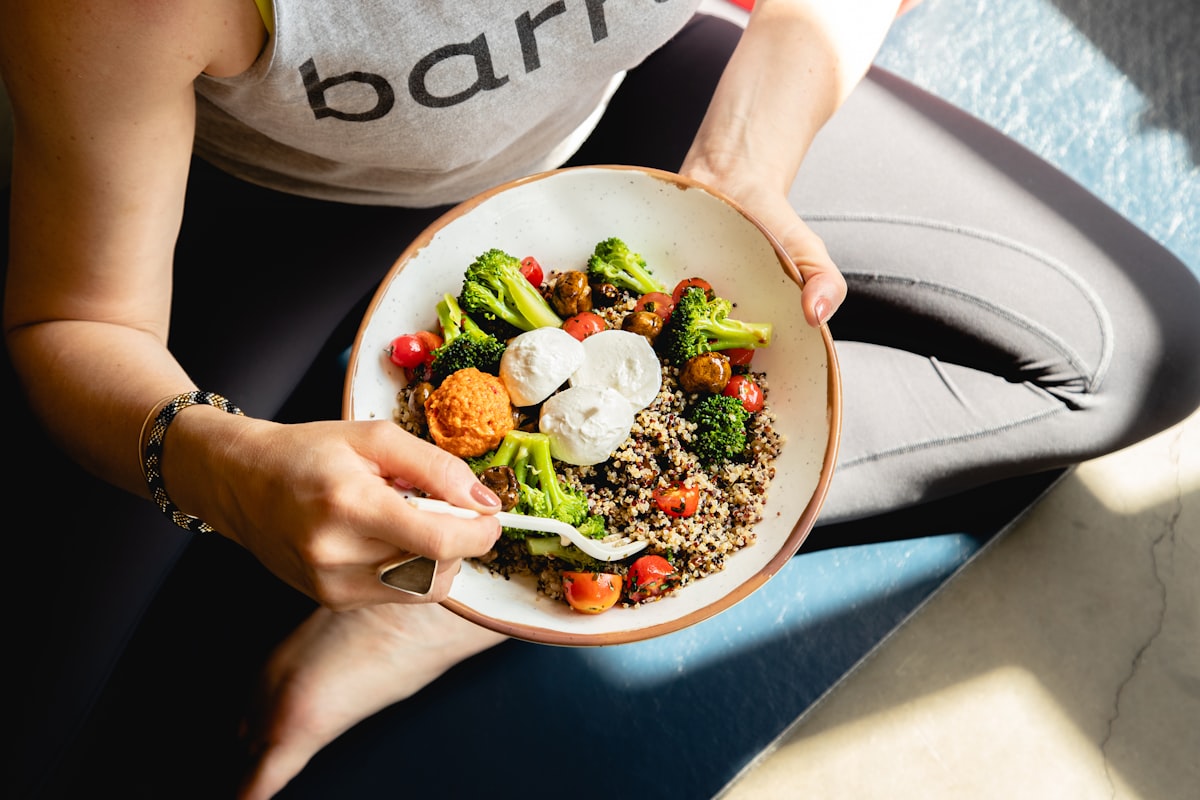
Omega-3 Rich Dinner
Anti-inflammatory nutrients to support joint health and overall recovery between intense training days.
Wild salmon, sweet potato, broccoli, olive oil
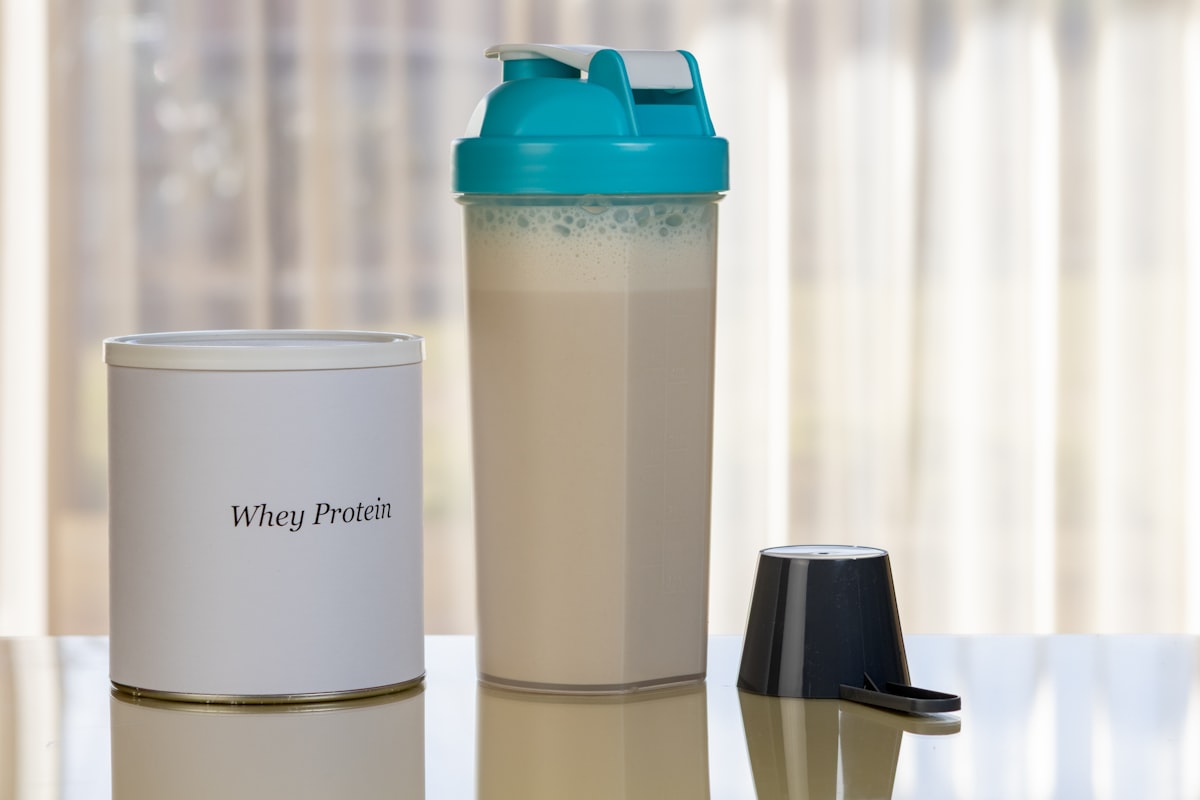
Hydration Strategy Drink
Balanced fluid and electrolyte intake to maintain performance during extended training sessions.
Water, coconut water, electrolyte blend, fresh lemon
Your Nutrition Journey Starts Here
Follow these foundational steps to develop a personalized nutrition strategy that supports your athletic goals and overall wellness.
Assess Your Goals
Define your athletic objectives—whether it's building muscle, improving endurance, or enhancing recovery—and understand your current nutritional baseline.
Learn the Science
Explore evidence-based nutrition principles specific to female athletes, including macronutrient timing, micronutrient needs, and cycle-based nutrition strategies.
Build Your Plan
Create a personalized nutrition framework that fits your lifestyle, training schedule, and dietary preferences while supporting your performance goals.
Track & Optimize
Monitor your progress, adjust your nutrition strategy based on performance feedback, and continuously refine your approach for optimal results.
Athlete Success Stories (Individual results may vary)
Read how female athletes from across Finland have transformed their performance through science-backed nutrition strategies and community support.
"The cycle-synced nutrition approach completely changed how I approach my training. I finally understand why certain weeks feel stronger than others, and I've adjusted my macros accordingly. My energy levels are more stable, and I've seen noticeable improvements in my strength metrics over the past three months. The community support here is invaluable—it's wonderful to connect with other female athletes facing similar challenges."
Emma Saarinen
Helsinki
"As a competitive runner, I struggled with recovery and constant fatigue. These nutrition guides helped me understand the importance of carbohydrate timing around my workouts. My recovery has improved, and I've seen a noticeable difference in my 10K performance. The practical meal prep ideas are realistic and delicious—I'm not eating boring chicken and rice anymore!"
Maria Lahtinen
Tampere
"I was skeptical about nutrition science initially, but Strengthheartflow's evidence-based approach convinced me. The information about iron needs for female athletes was eye-opening—I didn't realize I was deficient! After adjusting my diet to include more bioavailable iron sources, my endurance training feels completely different. Thank you for creating such an informative resource that actually respects women's physiology."
Katja Mäkilä
Turku
Common Questions Answered
Menstrual cycle phases affect your metabolic rate, energy needs, and nutrient absorption. During the follicular phase (menstruation through ovulation), you may have lower calorie needs and better carb tolerance. In the luteal phase (ovulation through menstruation), your metabolic rate increases by 5-10%, requiring more overall calories and potentially more protein. Many female athletes find adjusting carbohydrate intake in sync with their cycle improves performance consistency and reduces energy crashes. Track how you feel and adjust macronutrients accordingly.
Current evidence suggests female athletes should consume approximately 1.2–2.0 grams of protein per kilogram of body weight daily, depending on training intensity and goals. This is similar to recommendations for male athletes. Distributing protein evenly across meals (around 20–40 grams per meal) optimizes muscle protein synthesis throughout the day. Complete protein sources containing all nine essential amino acids are important, whether from animal products, legumes, or plant-based combinations.
Iron is critical for oxygen transport and aerobic performance. Female athletes have higher iron requirements than their male counterparts due to menstrual blood loss—the recommended intake is 18 mg/day for menstruating women and 8 mg/day after menopause. Female endurance athletes are at particular risk for iron deficiency. Prioritize heme iron sources (red meat, poultry, fish) and pair plant-based iron sources with vitamin C to enhance absorption. Regular iron level monitoring through blood tests is advisable.
Pre-training meals should be consumed 2–3 hours before exercise and combine carbohydrates with moderate protein (e.g., oatmeal with yogurt). For workouts within an hour, a banana or dates suffice. Post-training, consume a meal with both carbohydrates and protein within 30–120 minutes to replenish glycogen and stimulate muscle recovery. A ratio of 3:1 or 4:1 carbs to protein is commonly recommended. Examples include grilled chicken with rice, Greek yogurt with berries, or a protein smoothie with banana.
General guidelines suggest drinking 400–800 mL of fluid per hour during exercise, adjusting for sweat rate, climate, and exercise intensity. A practical approach is to drink 150–250 mL every 15–20 minutes during intense training. For activities lasting longer than 60 minutes, include electrolytes and carbohydrates in your drink to maintain performance and prevent hyponatremia. Individual sweat rates vary significantly, so test your hydration strategy during training rather than competition.
Most female athletes can meet their nutritional needs through whole foods. However, certain supplements may be beneficial: iron supplementation if deficient, vitamin D in regions with limited sunlight, and whey protein for convenience post-training. Always consult with a nutritionist or sports specialist before starting supplements. Whole food should be the foundation of your nutrition—supplements fill gaps, not replace good eating habits. Be cautious of unregulated products and prioritize food-first approaches.
Ready to Optimize Your Athletic Nutrition?
Explore our comprehensive resources, connect with our community, and discover the nutrition strategies that work for your body and training goals.